How to Use a Lemon Vibrator When Desire Returns After a Long Absence
Your body wants pleasure again. Here's how to trust that instinct, rebuild sensitivity, and use a clitoral vibrator to bridge the gap between longing and feeling.
You haven't wanted sex in months. Maybe longer. Then one day, something shifts. A thought, a touch, a moment alone in the shower. And suddenly your body is asking for something it stopped asking for a long time ago. It's confusing because you're not the same person who wanted this before. Your body feels different. Your sensitivity feels duller. Your nervous system is cautious. But that wanting? That's real. And it matters.
I work with people in this exact position all the time, and here's what I tell them first: the fact that desire has returned is significant. Don't minimize it by moving too fast or expecting your body to operate like it did before the absence. This is a reunion, not a return to default.
When you don't engage with sexual pleasure for an extended period, several things happen simultaneously. Your neural pathways for arousal don't disappear, but they do quiet down. Blood flow to genital tissue becomes less responsive. Sensitivity dulls because the nerves aren't being stimulated regularly. If you're carrying shame or fear around the absence, that sits in your body too, creating a kind of protective numbness.
This isn't permanent damage. It's more like a muscle that hasn't been used. It needs gentle, consistent attention to rebuild strength.
When desire starts returning, your brain and body aren't always aligned. Your mind might say yes while your nervous system whispers caution. That's not a sign something is wrong. It's actually your system protecting you while also beginning to trust again.
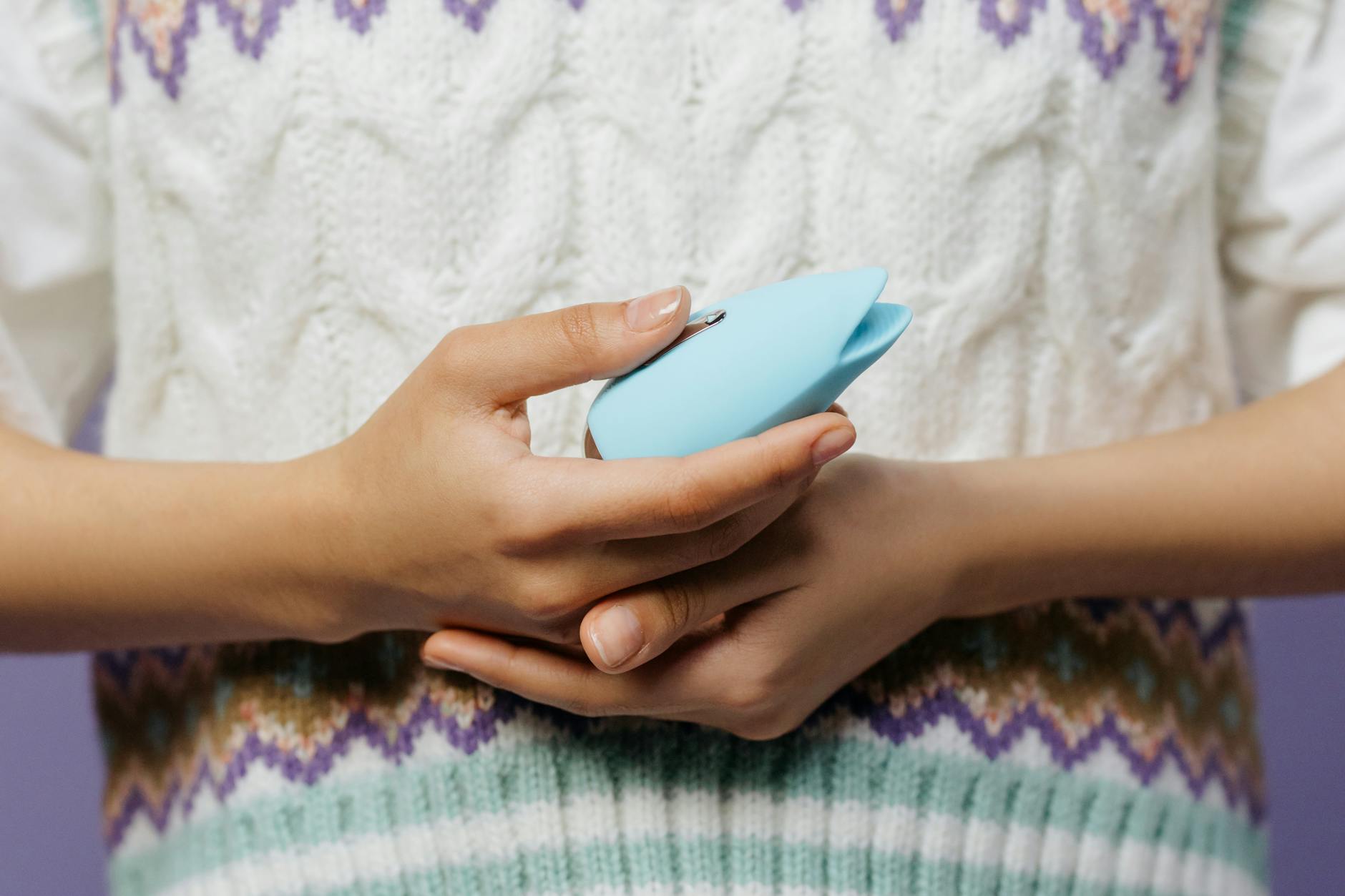
Here's why I recommend a lemon vibrator specifically when you're reconnecting with pleasure after a long absence. Direct clitoral stimulation without vibration requires sustained focus and pressure. When sensitivity is low and your nervous system is cautious, that's a lot of work. A clitoral vibrator like the Lem uses suction and gentle pulsing to create sensation without demanding your body perform in ways it's not ready for yet.
The Lem works differently than traditional vibrators. It doesn't require heavy, direct friction. Instead, it uses air-pulsing technology that stimulates the clitoral nerves through a gentler mechanism. For someone rebuilding sensitivity, this is genuinely helpful. You're not forcing arousal. You're inviting it.
Many people who haven't had pleasure for a while expect that they'll need something very intense to feel anything at all. The opposite is often true. Your sensitivity is likely sharper than you think. You just need time and the right stimulus.
If desire has just begun returning and you haven't touched yourself in over a year, begin without any tools at all. Spend time noticing what your body feels like. This isn't about orgasm. It's about rebuilding the conversation between your mind and your nervous system.
Set aside 10-15 minutes when you're alone and rested. No pressure to feel anything specific. Touch your body the way you might touch a good friend's arm. Not sexual yet. Just present.
Do this 3-4 times before introducing any vibrator. When you do, start with the Lem on its lowest settings. Most people returning to pleasure after absence are surprised by how much they can feel on pattern 1 or 2. If you start there and feel nothing, that's fine. Move to pattern 3. But don't jump straight to the highest intensity. That's like training for a marathon by running a sprint.
Use your lemon vibrator 2-3 times a week, not daily. Sensitivity rebuilds through consistency and rest, not through frequency. Your nervous system needs time between sessions to integrate the stimulation.
When you do use it, plan for 15-25 minutes. Not because you need that long to come, but because your body needs time to warm up and your mind needs time to settle. Arousal after a long absence isn't instant. It builds slowly, sometimes plateaus, sometimes surprises you.
Start at the lowest intensity, move through the patterns sequentially, and notice what pattern your body gravitates toward. You'll likely find that certain rhythms wake up sensation more than others. That's information about your body's current state. Trust it.
Absence often comes with a story. Illness, grief, relationship rupture, trauma, depression, medication side effects, spiritual conflict. Sometimes you don't even fully understand why you stopped wanting pleasure. The absence becomes its own kind of weight.
When you begin reconnecting with pleasure, that story can surface. You might feel guilty. Weird. Scared that wanting this again means something about your past or your current situation. That's extremely common. It's not a sign you should stop. It's a sign you're integrating something real.
If shame or fear feel overwhelming, pause. You don't have to push through emotions to have pleasure. But you also don't have to let them block your path. Sometimes just naming them helps. "I feel scared right now." "I feel guilty." Those feelings are data, not instructions.
Don't wait until the moment is happening to tell your partner desire is returning. Have the conversation when you're clothed, in daylight, over coffee. Say something like: "My body is asking for pleasure again. I want to reconnect with that part of myself. I might be slow. My sensitivity might feel different. I might need to figure this out alone first." This is information, not rejection.
If your partner is expecting to be part of this immediately, that's worth addressing. Some people returning to pleasure after long absence need to rebuild the connection with their own body first, separate from partner dynamics. That's not punishment. That's necessary.
When you are ready to involve a partner, starting slowly and communicating clearly makes everything easier. Your partner needs to understand that your body is learning to trust pleasure again. That takes time.
Week one, you might feel almost nothing except pressure. Week two, you might notice a faint warmth or tingling. Week three, sensation might suddenly sharpen. Then week four it might feel duller again. This is normal. Your nervous system is recalibrating. It's not linear.
Some people report that their first orgasm after a long absence feels muted or strange. Others say it's startlingly intense. Both are fine. You're not aiming for a specific feeling. You're aiming for reconnection.
Most people rebuilding sensitivity from absence find that consistency matters more than intensity. A lemon vibrator used gently and regularly rebuilds the neural pathways faster than sporadic intense stimulation.
Desire returning after a long time away often brings guilt. Like you're betraying the version of yourself that needed the absence. You're not. Your body's capacity to want pleasure is actually a sign of healing. It means your nervous system trusts life a little more now. It means you're ready to feel good.
You don't need anyone's permission to do this. Not a partner, not a therapist, not the part of you that's scared. You just need consent from yourself. And if you're reading this, that consent is probably already there.
For most people, you'll notice measurable changes in sensitivity within 3-4 weeks of consistent use of a lemon vibrator. That said, full sensitivity often takes 2-3 months of regular engagement. Everyone's timeline is different depending on why the absence happened, your current stress levels, and your body's baseline responsiveness. The key is consistency, not perfection.
Yes, but the timeline might be longer. Some medications dull sensation as a side effect. A clitoral vibrator like the Lem can help rebuild sensation even when you're taking numbing medication, but you may need to use it slightly longer or adjust your expectations. Talk with your doctor about whether the medication itself can be adjusted if sensation is important to you.
Not at all. Rebuilding your own relationship with your body and pleasure is foundational. A partner can't rebuild your sensitivity for you. Only you can do that through consistent, gentle stimulation. Once you've done that work, partnered pleasure becomes richer because you know what you want and what your body can actually feel.
That's actually more common than you might think. If weeks pass and sensation isn't budging, consider whether stress, medication, or unprocessed emotion is blocking it. Sometimes your body needs a different kind of attention first. Talk with a therapist or a sex educator. They can help you figure out whether something else is preventing reconnection, or whether your particular nervous system just needs a longer timeline.
Very normal. Pleasure can be a release valve for emotions you've been holding. If you cry, that's your nervous system processing something. You don't need to stop. You can pause, feel it, and then continue if you want to. Some of the most meaningful reconnections with pleasure come wrapped in tears.
Absolutely. In fact, using a lemon vibrator solo while you're figuring out partnership is ideal. You rebuild your relationship with your own pleasure independent of relationship status. That clarity and confidence actually makes you a better partner when you do have one. Solo pleasure is complete in itself. It doesn't require a partner to be valid.
Your desire returning is not an accident. It's your body telling you it's ready to feel good again. Listen to that. Use the right tools. Take your time. The pleasure you're rebuilding isn't going anywhere. It's patient, and so can you be.
If you want to talk through what reconnection looks like for your specific situation, reach out to our team. We're here to help you navigate this.