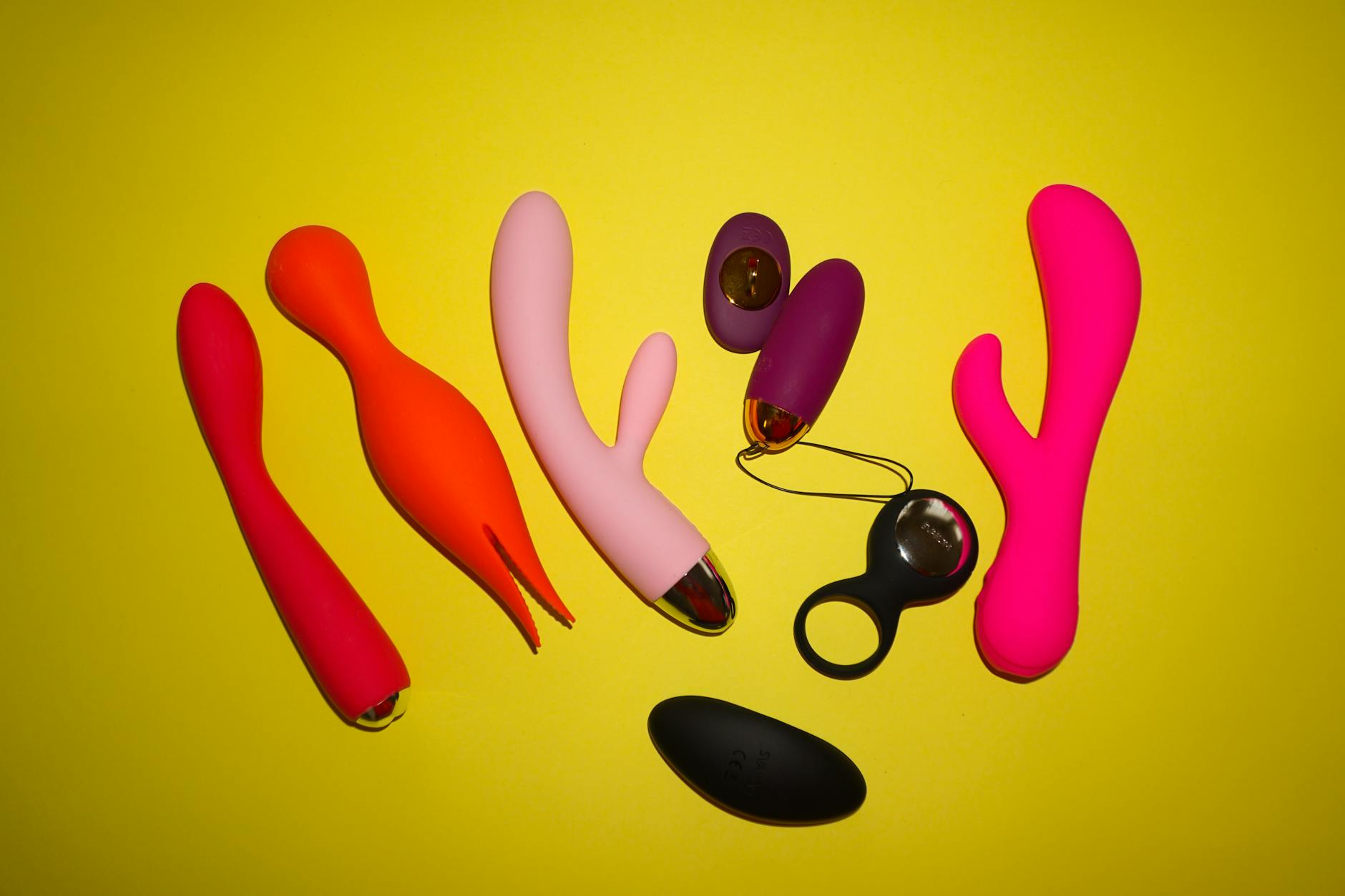
Here's what nobody tells you about pleasure and cycles
Your clitoris isn't a fixed thing with one consistent response. It's a sensory organ responding to hormonal signals that shift throughout your cycle. During the follicular phase, estrogen is rising. During the luteal phase, progesterone climbs. And between them, your sensitivity can swing wildly. You're not imagining it. This is real physiology.
I work with people who describe wildly inconsistent pleasure. They use their lemon vibrator and get an intense climax one week, then the same device at the same setting feels numb or overstimulating the next. Then they blame themselves. "Maybe I'm broken," they say. "Maybe my body's changing." The truth is simpler and more useful: your hormones are doing exactly what they're supposed to do, and your device use needs to move with them.
How hormones reshape clitoral sensitivity
During the follicular phase (roughly days 1 to 14 of your cycle), estrogen gradually rises. Higher estrogen means better blood flow to genital tissue, thicker tissue, and faster arousal buildup. Many people report that their clitoris feels more responsive, larger, and easier to stimulate during this window. Your lemon clitoral vibrator settings that felt intense last week might feel just right now.
Then comes ovulation. For about 48 hours, there's a hormone surge. Some people feel a peak in sensitivity and desire; others feel a dip. If you've ever noticed your pleasure map shifting right around your fertile window, that's ovulation at work.
After ovulation, you enter the luteal phase (roughly days 15 to 28). Progesterone rises, and the picture changes. The tissue becomes thinner again. Blood flow decreases slightly. Your clitoris might feel less prominent or require more direct pressure to register sensation. Many people need longer warm-up, higher intensity settings on their adult toys, or different patterns entirely during this phase.
The final phase, just before menstruation, sees both hormones plummet. This can feel like oversensitivity (everything touches too much) or undersensitivity (nothing's quite hitting). Some days it's both at once.
Why your lemon vibrator feels different week to week
You're not changing. Your hormones are. If you're using the same pattern on your lemon sucker every single day, you're essentially trying to fit a shape into a hole that keeps shifting. It doesn't mean the device is wrong. It means your approach needs flexibility.
When you're in the follicular phase, lower intensity patterns might be enough. Pattern 1 or 2 on a Lem vibrator might deliver what you need. You might build arousal faster and reach climax more easily. During the luteal phase, those same patterns might feel like white noise. You might need Pattern 3, 4, or even the pulse settings to feel anything at all.
Temperature sensitivity also shifts. Some people find that during the luteal phase, their clitoris prefers warmth before stimulation. Others prefer a slightly cooler device. Exploring this isn't overthinking it. It's information gathering.
Track what's working (without obsessing)
I don't recommend charting every sensation. That's not pleasure; that's work. But I do recommend noticing patterns over two or three full cycles.
Keep a simple note. Not a detailed journal, just: "Week 1, Pattern 2 felt amazing. Week 3, needed Pattern 4 to feel anything. Week 4, felt oversensitive to everything." After two or three cycles, you'll see the shape of your own cycle.
Some people discover they prefer solo exploration during their follicular phase and partnered pleasure during luteal (when they want slower buildup and longer sessions). Some reverse that. Some find that clitoral vibrators work great during the follicular phase but the Lem's suction feels better during luteal because it's less direct stimulation.
The point isn't to be rigid. It's to have information that gives you permission to adjust without self-doubt.
How to adapt your lemon vibrator settings across your cycle
If you're using a Lem vibrator, you have five patterns to work with. During the follicular phase, experiment with Patterns 1 and 2 earlier in your session than you might expect. Notice if you need less warm-up time. During the luteal phase, you might start with Pattern 3 and build from there. Some people find Pattern 5 (the pulse setting) works best during the luteal phase because it mimics the slower, more episodic arousal your body's actually capable of.
You don't have to use the same starting pattern every day. You don't have to reach climax in the same timeframe. You don't have to come at all if you're not feeling it. The point of using a lemon clitoral vibrator is to chase the sensation that's actually available to your body right now, not to force a response your hormones aren't supporting.
Some practical shifts: During the follicular phase, start with lighter suction and shorter sessions. Let yourself respond quickly. During the luteal phase, apply lubrication more generously (progesterone decreases natural lubrication), apply longer warm-up (literally warm the device first or spend time on non-clitoral stimulation), and give yourself permission to need more intensity.
When hormonal shifts create real problems
Most cycle-related sensation changes are normal and manageable with the adjustments above. But sometimes they're a flag for something else.
If your clitoris goes completely numb for a week or more, or if pain appears alongside sensation loss, that's worth mentioning to a doctor. Hormonal shifts can sometimes unmask nerve sensitivity issues or other conditions. It's not an emergency, but it's useful information.
If you're on hormonal birth control, your cycle-to-cycle variation might be smaller or different entirely. Some people on hormonal birth control report that sensation stays more consistent throughout the month. Others notice their overall sensitivity drops. If that's you, that's worth discussing with your prescriber. Different hormonal formulations affect sensation differently.
Similarly, if you're approaching perimenopause or menopause, hormonal fluctuations become more erratic and sensation can shift unpredictably. That's a different conversation, and one that's worth having with someone who understands menopause and pleasure. The Lem still works beautifully in this phase; the patterns might just need more frequent adjustment.
Building pleasure flexibility into your routine
Your clitoris is smart. It's not trying to frustrate you. It's responding to what your hormones are telling it. The more you work with that instead of against it, the more consistent and satisfying your pleasure becomes.
That means letting go of "I should feel the same thing every time" and moving toward "I'll find what works for my body right now." It means keeping a lemon sucker nearby and giving yourself permission to explore different patterns on different weeks. It means not blaming yourself when week 3 needs something totally different than week 1.
Your cycle isn't a bug in your pleasure. It's a feature. And once you understand how to use it, you'll have access to a much wider range of sensation than you would if everything stayed static.
People also ask
Why does my clitoris feel numb during my period?
During menstruation, both estrogen and progesterone are at their lowest. This can create a sensation of numbness or reduced responsiveness because there's less blood flow to genital tissue and less hormonal support for sensation. Some people also experience oversensitivity during their period, where everything feels too much. Both are normal. If numbness is complete and painful, check with a doctor. Otherwise, this typically resolves within a few days as hormones start rising again. Using a lower intensity pattern on your lemon vibrator during this window often helps.
Does hormonal birth control change how my lemon clitoral vibrator feels?
Yes, often significantly. Hormonal birth control (pills, rings, patches, shots, hormonal IUDs) stabilizes your hormones and removes the fluctuation you'd normally experience across your cycle. This means your clitoral sensitivity stays more consistent month to month. Some people report that this consistency makes pleasure easier to predict. Others report that their overall sensitivity decreases because the hormone levels in birth control are lower than your natural peak. If you notice sensation shift after starting or changing birth control, give it two or three full cycles to stabilize. If it hasn't improved, discuss other options with your prescriber.
Can I use the same lemon vibrator pattern every single day without problems?
You can, but you might feel like you're fighting your body. Using the same pattern across all four phases of your cycle means you're ignoring the fact that your clitoris is actually responding to different hormone levels. You won't damage anything by doing this. You'll just be working harder for the same result. The smarter move: keep several patterns in rotation and let your body tell you what it needs on any given day. If Pattern 2 felt great yesterday and Pattern 4 feels better today, that's information, not failure.
What if my cycle is irregular? Can I still predict sensation changes?
Irregular cycles make prediction harder, but you can still track what you notice. Over two or three months, patterns usually emerge even if they're not perfectly regular. You might notice that sensitivity shifts based on your actual hormones, not a calendar date. The practical advice stays the same: pay attention, adjust your approach, and give your body permission to feel different on different days. If your cycle is very irregular or if you have a diagnosed cycle disorder like PCOS, mention that to your doctor. It might affect how your hormones are fluctuating and why sensation feels inconsistent.
Is it normal for my lemon sucker to feel uncomfortable during certain weeks?
Yes. During the luteal phase or just before your period, some people find that direct clitoral suction feels too intense or even uncomfortable. This is often because tissue is more sensitive or thinner, or because progesterone increases overall body sensitivity. If this is you, try: switching to a lower suction setting, using more lubrication, taking longer warm-up time, or switching to a different type of stimulation entirely. You're not broken. Your body just needs a different approach during this phase.
Should I avoid using my lemon vibrator during my period?
No. Some people find that pleasure feels incredible during menstruation. Others don't want to explore at all. Both are fine. If you do want to use your lemon clitoral vibrator during your period, know that you might need different settings, more lubrication, or a completely different approach. Some people find that the Lem's suction feels gentler and less overwhelming than a traditional vibrator during menstruation. Experiment and see what feels good. The only rule is: if it hurts, don't do it.
The bottom line
Your clitoris responds to hormones. That's not a flaw. That's biology. Every person with ovaries has a cycle, and every cycle brings sensation shifts. Using a lemon vibrator with intention means paying attention to those shifts and adjusting your patterns, intensity, and approach to match what your body can actually feel right now.
This isn't about chasing one perfect orgasm. It's about building a sustained, flexible relationship with your own pleasure. The more you work with your cycle instead of expecting your body to be consistent regardless of its hormone levels, the more satisfying your solo exploration becomes.
Your body isn't the problem. Your approach just needed to move with it. Once you do, pleasure becomes less elusive and more like something you actually understand.
Ready to explore more about adapting your pleasure practice to your body's actual needs? Check out our guide on how to find the right lemon vibrator rhythm when pleasure feels unpredictable or read about clitoral sensitivity changes after hormonal birth control shifts.
Questions about your cycle and sensation? We're here to help. Get in touch with our team.