
Let's talk about what happens to sex after a fight
After relationship conflict, the bedroom often feels like the last place you want to be. Touch becomes loaded. Even a casual hand on the shoulder can trigger defensiveness. The distance between partners widens in those quiet moments when sex used to happen, and introducing a new tool like a lemon vibrator might sound impossible. It doesn't have to be.
Intimacy doesn't rebuild through conversation alone. Physical reconnection matters, and a lemon clitoral vibrator can actually help that process move forward more naturally than you'd think. The key is understanding that the vibrator isn't a shortcut around the conflict. It's a bridge across it.
Why pleasure tools help when trust is fragile
Here's what I've seen in my practice over and over. When couples have been through a rough patch, returning to partnered sex can feel performative or unsafe. One or both partners might be holding back, worried about being rejected or rejected themselves. The pressure to "make it work" kills arousal faster than anything else.
A lemon vibrator removes some of that pressure. It gives the body permission to respond without the emotional stakes of performance. It also gives partners a shared focus that isn't the conflict itself. Instead of circling the argument in the bedroom, you're both attending to a simple, neutral thing: her pleasure.
The suction-based design of lemon adult toys like the Lem means there's less direct friction and pressure on sensitive tissue, which matters when you're nervous or guarded. Your nervous system is calmer, which means arousal can actually build.
The conversation has to come first
Don't ambush your partner with a lemon vibrator. I know that sounds obvious, but I've met couples who thought introducing a pleasure tool would "fix" the sex without addressing the actual conflict. It won't.
Have a real conversation about what happened. Not a fight. A genuine, vulnerable talk about impact and apology. Only after that groundwork is there should you even mention a vibrator. And when you do, keep it simple. "I miss being close to you. I'm wondering if we could try something that might help us both feel more comfortable reconnecting."
Your partner might say no. That's fine. The conversation itself is what matters. You're signaling that you're thinking about their pleasure, not just your own guilt or need to "fix" things fast.
If they're open to it, suggest exploring together first without penetration or pressure. The goal isn't an orgasm. It's touch and attention.
How to actually introduce it
Start with a conversation about sensations, not logistics. Ask what they want to feel in their body again. Ask what felt good before the conflict. You're building a map of what brings them pleasure, separate from the conflict.
When you do bring out a lemon clitoral vibrator, do it like you're showing them something you're curious about together, not like you're solving a problem. "I heard these work really differently from other vibrators. I'm interested to see what you think." That's it. Keep it low-stakes.
Let them hold it first. Let them explore the patterns, the power levels, how it feels in their hand. You're building familiarity and control. They get to decide what happens next.
When they're ready, start with the lowest setting. The suction sensation of a lemon vibrator feels different from traditional vibration. It's gentler on overwhelmed or guarded tissue, and it often feels less invasive. That matters when you're rebuilding trust.
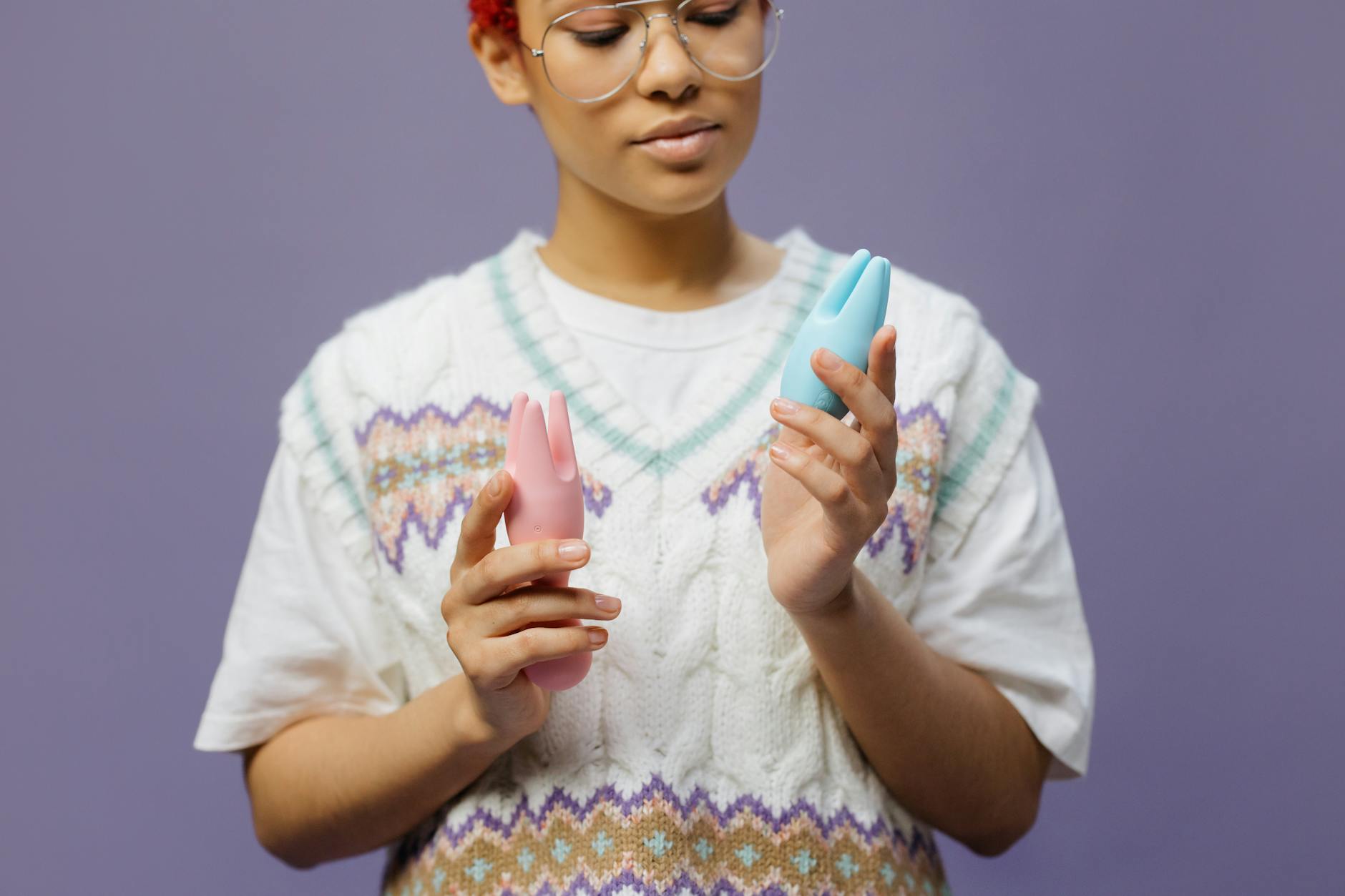
Photo by cottonbro studio on Pexels
Keep your hands on them. Not commanding. Just present. This is about reconnection, not spectacle. Many couples I work with find that the partner not receiving stimulation benefits from being the one paying attention. You get to watch your partner's body respond again. You get to see that they're still pleasure-capable and that you're part of creating that.
Managing your own feelings in the process
If you're the partner who caused harm, you might feel guilt or shame watching your partner use a lemon vibrator. That's normal. Don't make it about you. Don't offer unsolicited commentary. Don't try to rush into partnered sex. The point is her pleasure and comfort, not your redemption.
If you're the partner who was hurt, you might feel vulnerable or weird asking for a pleasure tool. That's also normal. Your pleasure matters. You deserve to feel good in your body, even while the relationship is healing. Using a lemon sexual toy isn't infidelity or a betrayal. It's claiming your own body back.
If this is a joint exploration, remember that trying something new together sends a signal. "We're both willing to be a little awkward to get closer." That willingness to be awkward is huge.
The rhythm matters more than the pattern
When you're rebuilding intimacy, variety in how you use a lemon vibrator actually helps. One night might be solo exploration with your partner present but not touching. Another might be them using it while you're inside them. Another might be you using it on them while they focus on nothing but sensation.
Varying the approach prevents it from becoming rote. It keeps the experience from feeling performative. If you fall into the same sequence every time, it can start to feel like you're checking a box instead of reconnecting.
Pay attention to what brings genuine desire back. Not what you think should bring desire back. If a certain rhythm or pattern or setup makes them pull away, stop. If something makes their breath change or their body soften, remember that for next time.
When to know you're ready for more
You'll feel it. After a few sessions with a lemon vibrator, the charge in the room starts to shift. Touch becomes less loaded. You're both breathing normally again. You're making eye contact. You're laughing.
That's when you know the bridge is working. From there, you can move toward more connected forms of sex. The vibrator has done its job. It's shown you both that pleasure is still possible, that your bodies haven't forgotten each other, and that you can be vulnerable together again.
Some couples keep incorporating their lemon clitoral vibrator even after they've rebuilt everything. That's fine too. A pleasure tool isn't a crutch. It's just part of your toolkit.
The part nobody talks about
Rebuilding intimacy after conflict is slower than people want it to be. There's no five-day reset. You can't vibrate your way past real hurt. What you can do is create small moments where the hurt isn't the loudest thing in the room. Where pleasure exists alongside the work of repair. That's what makes the difference.
A lemon vibrator isn't therapy. But it's a gentle way to remind your body and your partner's body that you still want each other. And sometimes that reminder is exactly what you need to do the harder work of actually healing.
People also ask
How soon after a major conflict should we try using a lemon vibrator?
Wait until the acute anger has passed and you've had at least one genuine conversation about what happened. That might be a week, might be longer. The timing depends on the severity of the conflict and how willing both partners are to move forward. If you're still in blame mode, wait. If you're both ready to reconnect, a lemon clitoral vibrator can help that happen sooner than partnered sex alone might allow.
What if my partner thinks introducing a vibrator means I'm not satisfied with them?
This is a communication issue, not a vibrator issue. Have that conversation before you bring out a pleasure tool. Be specific: "I want to explore this together because I want us to reconnect in a way that feels good for both of us." A lemon sexual toy adds sensation and novelty, but it doesn't replace a partner. Frame it as exploration, not replacement.
Can using a lemon vibrator together actually rebuild trust?
Not by itself. But vulnerability and physical safety matter in rebuilding trust. When you're both willing to be awkward, to explore new sensations, and to prioritize each other's pleasure, that creates a foundation for deeper trust. The vibrator is the vehicle for that, not the engine.
What if one of us orgasms and the other doesn't during a session?
Separate sessions. If you're rebuilding intimacy, orgasm isn't the goal. Pleasure and presence are. If one of you comes quickly and the other doesn't, it can feel like failure. Instead, have some sessions that are just for one partner's sensation. That removes the pressure and the comparison.
Is it weird to use a lemon vibrator if we haven't had sex in months?
No. In fact, it's often easier than jumping straight to partnered sex. A lemon vibrator gives your nervous system time to remember what safe pleasure feels like in a lower-pressure context. You're rebuilding sensation gradually, which makes the transition back to partnered intimacy feel more natural.
How do I know if we're using the vibrator as a band-aid instead of actually healing?
You'll know because the rest of the relationship won't feel better. If you're connecting physically through a lemon clitoral vibrator but still not talking, still not addressing the underlying conflict, it's a band-aid. Real healing means the vibrator becomes less central over time, not more. You're using it because you want to, not because it's the only way you can connect.