Let's start with what nobody tells you
After trauma, your body becomes a question mark. Sensations that once felt good might now trigger your fight-or-flight response. A touch that should relax you might instead make your nervous system scream. This isn't weakness. This isn't you being broken. Your body is doing exactly what it's designed to do. It's protecting you. But protection and pleasure have gotten tangled, and untangling them takes real strategy, not just hope.
Here's the thing: lemon clitoral vibrators can absolutely be part of your healing. But only if you approach them with a framework that respects what your nervous system has been through. This is about rebuilding consent with yourself.
Why sensation feels different after trauma
Trauma rewires how your brain processes touch. The amygdala, which flags threats, becomes hyperactive. The prefrontal cortex, which decides whether something is actually safe, goes quieter. So your body feels danger even when your rational mind knows you're in a safe situation. This happens at a neurological level. You can't think your way out of it.
That's also why gradual, predictable stimulation often helps more than intensity. When you know exactly what's coming, your nervous system doesn't have to work so hard to scan for threats. Lemon vibrators are uniquely useful here because they offer consistent, controllable sensation. You're not waiting for a partner's touch to shift unexpectedly. You're in complete command.
The framework: pacing before pleasure
Before you use any lemon vibrator, you need to establish what I call a "sensation baseline." This is different from foreplay. It's research. On a day when you're grounded and calm, spend 10 minutes simply noticing what your body can handle without tension. Not pleasure, not arousal. Just: what level of touch makes my nervous system relax versus contract?
Try these progressions, one per session, and note what happens:
Session 1: Hand massage on your arm or leg, no vibration. Session 2: The same area, but with a gentle vibrator on the lowest setting. Session 3: Move to the inner thigh or lower abdomen, same low vibration. Session 4: Only if the previous three felt stable, try 20 seconds of the vibrator near (not on) the clitoris, lowest setting.
This isn't sexy. It's not meant to be. It's nervous system calibration. And it matters enormously.

Photo by cottonbro studio on Pexels
When to use the lemon vibrator, and when not to
Listen carefully: pleasure after trauma is not an obligation. If you have a partner, pleasure is not something you owe them. If you're alone, pleasure is not a mark of successful healing. Some days your nervous system won't be ready. That's not failure. That's information.
Here's when to actually reach for a lemon vibrator:
- You've had a grounded day (not immediately after a triggering event).
- You're in a private space where you won't be interrupted.
- You've set a specific time limit. "I'll use this for 10 minutes, then I'm done." Knowing there's an endpoint helps your nervous system trust the process.
- You've done some form of grounding first. A shower, a walk, three minutes of breathing. Something that signals to your body: we're safe now.
- You're not trying to "fix" anything or prove anything. You're simply exploring.
When not to use it: if you're dysregulated, dissociating, numb, or in a hurry. If you're using it to escape something instead of to feel something. If your partner is pressuring you. Stop.
The actual mechanics: starting small
Assuming you've done the baseline work, here's how to use a lemon vibrator in a way that respects your healing:
Set your intention clearly. Not "I need to have an orgasm." Not "I need to prove my body works." Something like: "I'm going to spend 8 minutes noticing what feels okay today."
Start with clothing on. Lay down, fully clothed, and place the vibrator on the lowest setting over your underwear. Not against your vulva yet. Just adjacent. Get used to the vibration pattern, the sound, the warmth. Let your nervous system gather data that this is safe.
Move slowly. After 3 minutes, you might move the vibrator slightly closer. After 5, you might try it directly on the external clitoris, still through underwear. Pressure and sensation increase incrementally. No rushing.
Watch for freeze responses. If you notice your breathing gets shallow, your jaw clenches, or you go quiet, pause. This isn't your fault. Your nervous system is flagging something. Respect that. Turn off the vibrator, breathe, ground yourself in the room. Then decide: do I want to continue at a lower intensity, or am I done for today?
Know your exit strategy. Before you start, decide how you'll transition back to your day. Will you rest for 5 minutes? Get up and make tea? Take a shower? Having a plan removes uncertainty, which your nervous system loves.
Why lemon clitoral vibrators specifically help
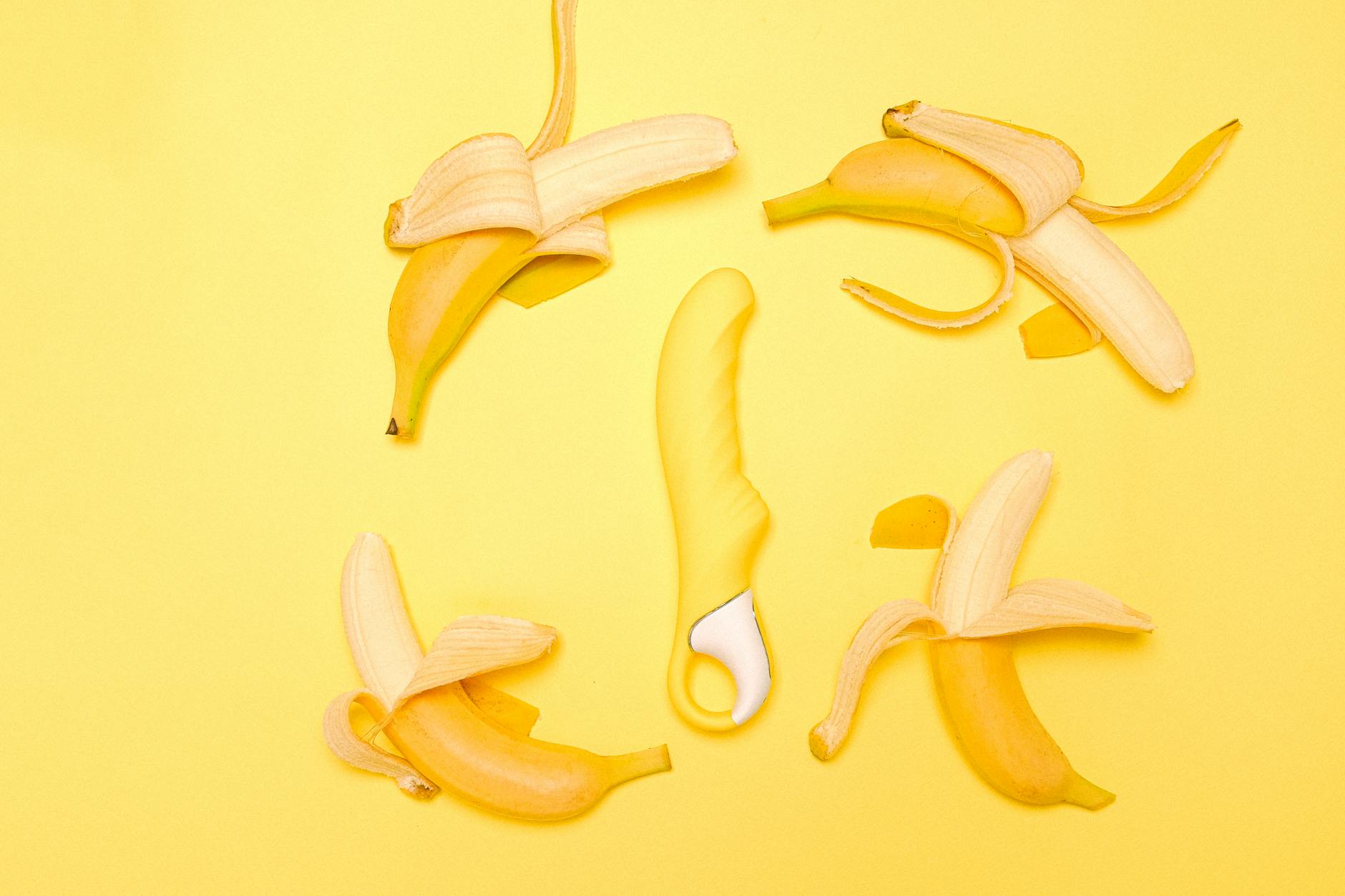
Lemon vibrators and clitoral vibrators like the Lem use air-suction technology, which feels fundamentally different from traditional vibration. Instead of a buzzing sensation, it creates a gentle pulse of pressure and release. For trauma survivors, this matters because it feels more like a steady, predictable pattern. Your nervous system can anticipate the rhythm. There's no sudden spike. The sensation is easier to control and easier to stop instantly if you need to.
Lemon sexual toys and lemon adult toys marketed in this category often have intuitive controls. You're not fiddling with complicated settings. You're in charge. That autonomy is part of the healing.
When a partner is part of this process
If you're in a relationship and want to involve your partner, the most important thing is communicating beforehand, not during. Have a conversation outside the bedroom. Explain what your nervous system needs. Explain that this isn't about them "fixing" you or proving they're trustworthy. It's about you learning that pleasure is safe.
Then, if they're involved, they become an observer or a support person. Not the primary actor. You might ask them to sit nearby while you explore alone. You might ask them to talk you through grounding if you get triggered. But the vibrator, the pace, the intensity, the stopping point. That's all you.
This shifts the dynamic from performance to collaboration. And that shift is everything.
The timeline: healing isn't linear
Some people feel ready to explore clitoral vibrators within months of starting therapy. Others need years. Both timelines are completely normal. Trauma doesn't follow a schedule, and neither does pleasure recovery.
You might have weeks where everything feels possible, and then a triggering event sends you back three steps. That's not a setback. That's just how nervous systems work. They're not logical. They're protective.
The goal isn't to reach some finish line of "normal." The goal is to build a relationship with sensation that feels safe, consensual, and genuinely pleasurable for you. Sometimes that means using a lemon vibrator. Sometimes it means not. Both are victories.
A note on professional support
If you're working through trauma, a trauma-informed therapist or somatic practitioner can accelerate this process significantly. They can help you understand your specific nervous system responses and develop personalized grounding techniques. There's no shame in getting support. In fact, there's a lot of wisdom in it.
FAQ
Is it normal to feel nothing when using a lemon vibrator after trauma?
Completely. Numbness is a trauma response. Your nervous system might be dampening sensation to protect you. This often improves with time and therapy, not because you're using a vibrator more, but because your overall sense of safety is expanding. If you're feeling nothing consistently, that's worth discussing with a therapist.
Should I use a lemon vibrator if I'm still having nightmares or flashbacks?
Not during the acute phase. Once you're in more stable recovery and flashbacks are less frequent, gradual exploration can help. But using pleasure to suppress or escape active trauma symptoms usually backfires. Therapy first, vibrator later.
What if my partner wants to use a lemon clitoral vibrator with me and I'm not ready?
You say no. Full stop. Your healing doesn't come on their timeline. If they pressure you, that's a relationship issue separate from the vibrator. A caring partner will wait. If they won't wait, that's information.
Can using a lemon vibrator help me feel less numb?
It might, eventually. But it's not a shortcut. Numbness usually needs to be processed with a therapist, not stimulated away. That said, gentle, predictable sensation can slowly help your nervous system re-engage with pleasure as part of broader healing work.
Is it okay to use a lemon sucker vibrator if I have sensory sensitivities?
Yes, but start with the absolute lowest setting and the shortest time duration. Some trauma survivors find that the specific pattern of air-suction stimulation is actually less triggering than traditional vibration because it's more rhythmic and predictable. Everyone's nervous system is different. You'll discover yours through careful exploration.
What if I feel ashamed about wanting pleasure after trauma?
That shame is real, and it's also not true. Pleasure is part of being alive and human. Reclaiming it is an act of resistance against trauma. You deserve to feel good in your body again, on your timeline, in whatever way works for you. Shame often dissolves when you talk about it with a therapist or trusted friend. Don't carry it alone.
The real healing happens in the small moments
Using a lemon vibrator after trauma isn't about having an orgasm. It's about proving to yourself that your body can be a source of safety and pleasure, not just threat. Every session where you stay grounded and in control rewires your nervous system a little bit. Every boundary you set teaches your body that you're listening. Every time you stop when you need to, you're rebuilding trust.
That trust is the actual medicine. The vibrator is just a tool.
Your healing matters. Your pleasure matters. And you get to decide the pace.
If you want to talk through your specific situation or need support finding the right approach for you, reach out. I'm here.