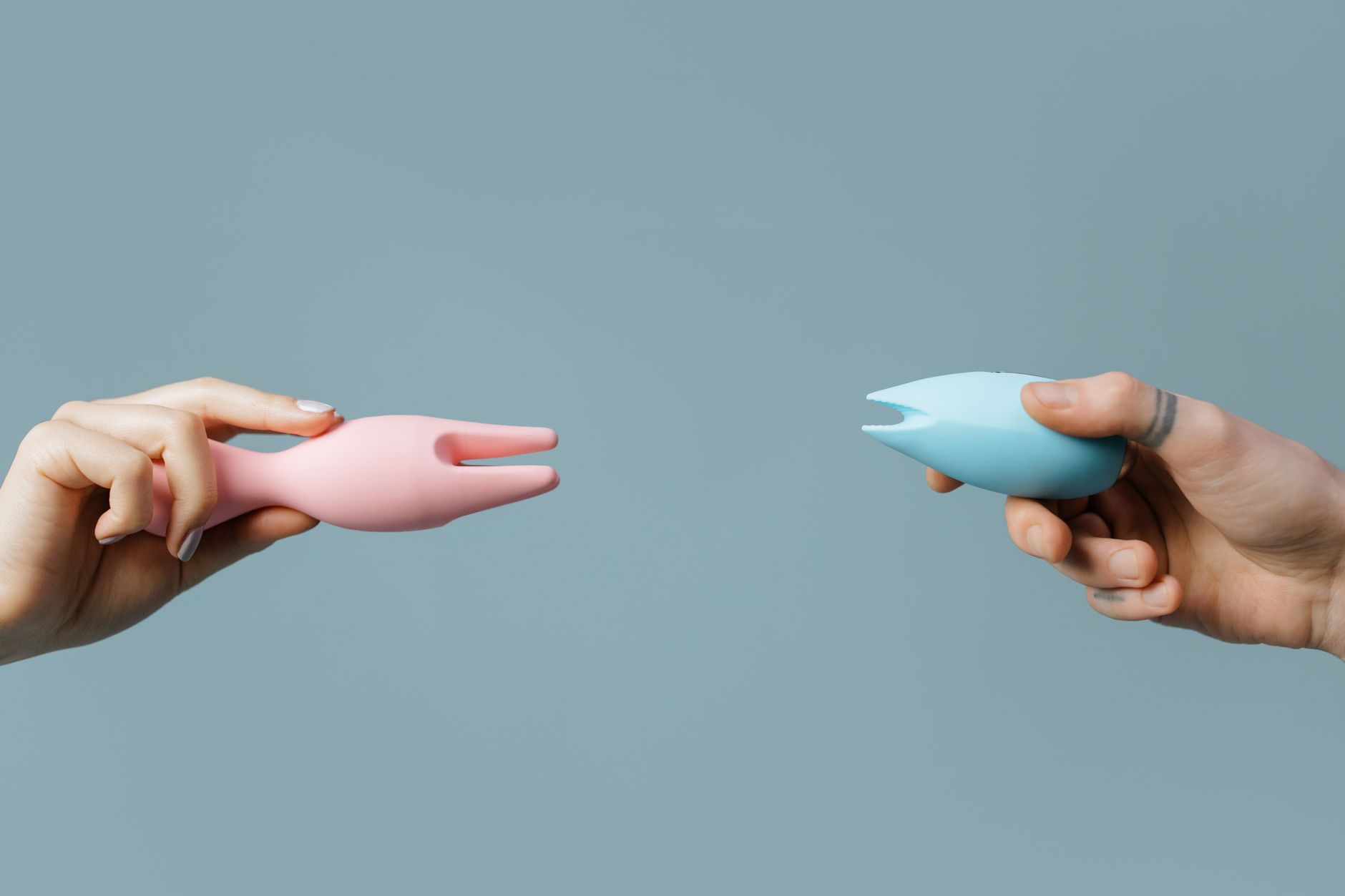
Let's talk about what chronic stress actually does to desire
Your libido didn't disappear because you stopped caring about sex. It disappeared because your nervous system is in survival mode, and survival mode has zero bandwidth for pleasure. When cortisol stays elevated for weeks or months, your brain deprioritizes arousal signals entirely. That's not a character flaw. That's biology.
Here's the part nobody explains: you can't think your way out of this. Willpower, communication, mood lighting, none of it works when your parasympathetic nervous system is offline. Your body needs permission to relax before desire can return. A lemon clitoral vibrator becomes a surprisingly powerful tool for giving your nervous system that permission.
Why stress literally erases arousal
When you're under chronic pressure, your cortisol levels stay high. Cortisol suppresses dopamine and serotonin. Dopamine is what triggers desire. Serotonin is what lets you feel pleasure once stimulation arrives. Without both of those, the whole system stalls. Add in elevated adrenaline and a tense pelvic floor, and arousal doesn't just slow down. It stops answering calls.
Worse: stress triggers a feedback loop. You notice desire is gone. This creates anxiety about desire being gone. The anxiety keeps cortisol high. Now you're stuck in a cycle where the thing you're worried about is the thing preventing recovery.
One more layer: stress lives in your pelvic floor. The same muscles that relax during arousal stay clenched when you're stressed. This means even if your brain wanted to engage, your body would resist the signals. The tension literally blocks sensation.
How suction stimulation resets everything
A lemon sucker works differently than other vibrators. Instead of vibration alone, you're using gentle suction to stimulate the clitoris. Suction has a particular effect on the nervous system: it's inherently calming because it requires sustained attention but not performance pressure.
When you use a lemon vibrator with intention, you're doing three things simultaneously.
First, you're practicing sensation focus. This means you're training your brain to notice pleasure signals instead of ignoring them. Chronic stress teaches your brain to numb out. Sensation focus actively reverses that.
Second, you're activating the parasympathetic nervous system. Gentle, rhythmic stimulation tells your body that you're safe. The suction feels consistent and soothing, which is the opposite of the chaotic overstimulation stress creates. Your nervous system gradually downshifts from fight-or-flight.
Third, you're interrupting the anxiety loop. By creating a moment of actual pleasure, you prove to yourself that desire is still in there somewhere. This breaks the cycle where worry about low desire becomes the reason desire stays low.
The actual practice: starting over when desire feels broken
Don't go into this expecting an orgasm. That expectation is another form of pressure, and pressure is exactly what killed desire in the first place.
Instead, set aside 15-20 minutes when you won't be interrupted. Silence your phone. Tell your partner or household that you need quiet time. This boundary is not selfish. It's medicine.
Start clothed. Yes, really. Spend five minutes doing something that makes you feel good but isn't sexual. Gentle stretching. A warm drink. Listening to music you actually enjoy. The goal is to signal safety to your nervous system before you add any stimulation.
Once you feel even slightly calmer, move to a comfortable position. Lying down is fine. Some people prefer sitting. The goal is that your pelvic floor can actually relax, which is harder if you're braced upright.
Start with the lowest pattern on your lemon clitoral vibrator. The Lem has gentle options that feel more like sustained sensation than intense buzzing. This is the point. You want sensation you can actually feel, not sensation that hijacks your brain.
Don't aim for anything. Just notice. Notice warmth. Notice slight tingling. Notice whether sensation builds or stays flat. If it stays flat, that's fine. You're teaching your body that it's safe to turn back on, not that it has to perform immediately.
If arousal does start building, let it go at its own pace. Don't chase orgasm. Honestly, most people stuck in the stress cycle find that pressure around orgasm is part of why desire left in the first place. Let yourself just exist in the sensation for a while.
Repeat this practice three to five times a week for two to three weeks before you expect noticeable shifts.
Why your partner needs to understand this is different
If you share a bed with someone, they might notice you're taking time alone for pleasure. They might feel rejected or confused. This is your opportunity to explain that rebuilding desire isn't a partnership project right now. It's a nervous system repair job, and that has to happen solo.
A good partner will get it. They'll understand that you're not choosing yourself over them. You're creating the conditions for desire to exist again, which benefits both of you. If your partner pushes back or feels excluded, that's a different conversation. That might need help from someone trained in relationship dynamics or couples communication.
For now, the boundary is this: "I'm working on reconnecting with my own arousal. This is something I need to do alone, and it's part of rebuilding what I want to share with you."
When to call a professional
If stress is coming from depression or anxiety disorder, a lemon vibrator is not a substitute for treatment. Sex therapists and therapists who specialize in trauma or stress-related disorders are real resources, and they're worth finding.
You should also check in with your doctor if libido has been gone for more than three months. Sometimes chronic stress creates thyroid problems or other conditions that suppress desire independently. It's worth ruling out.
A therapist can also help you address the root stress. Maybe it's work. Maybe it's caregiving. Maybe it's relationship conflict. A vibrator can help you reconnect with pleasure while stressed, but it won't fix what's causing the stress.

Photo by Ihsan Adityawarman on Pexels
The timeline: when you can expect to feel different
Week one usually feels nothing. Your nervous system is still braced. That's normal.
Week two is when people start reporting slight warmth or tingling. Not orgasm territory yet. Just sensation returning.
By week three, arousal might start building a little faster. Your pelvic floor might relax slightly. You might notice that your brain doesn't go to "am I doing this right" as much.
Week four and beyond, actual desire often returns. Not necessarily the urgent desire of early relationships. But genuine interest in sensation and pleasure.
Everyone's timeline is different. The key is consistency, not intensity. Three gentle sessions a week beats one aggressive session per week when you're rebuilding.
Why a lemon vibrator specifically
Clitoral vibrators come in hundreds of forms, but a lemon sucker is particularly good for nervous system reset because the suction creates a grounding sensation. It's not the kind of stimulation that overwhelms a system already in overload. The rhythm is predictable, which is calming. The sensation concentrates your attention, which interrupts the rumination cycle that stress creates.
You get the same benefit from other lemon adult toys or quality clitoral vibrators, but the specific design of a lemon vibrator makes it easier to use the practice I described without adding more pressure or complexity.
FAQ: rebuilding desire when stress has numbed everything
Can I use a lemon sexual toy if I'm not in the mood at all?
Yes. Mood is actually a symptom of low arousal under stress, not the cause. You're using the vibrator to create the conditions for mood to return, not to enhance mood that's already there. Start with the lowest setting and focus on just noticing sensation, not on feeling anything specific.
How long before this actually works?
Most people report noticeable shifts within three weeks of consistent practice. Some take longer. The key is that you're not looking for instant results. You're retraining your nervous system to recognize safety and pleasure, and that takes time.
What if I still can't orgasm after doing this regularly?
Orgasm is not the goal here. Desire and arousal are. If those return but orgasm is still difficult, that's a separate issue worth exploring with a sex therapist. For now, focus on just feeling something, anything, other than numbness.
Should I tell my partner I'm doing this?
That depends on your relationship and communication style. Some couples benefit from transparency. Others do better with personal space first, then reconnection later. There's no universal right answer. But if your partner discovers it and feels blindsided, that's more relationship friction, which defeats the purpose. Consider your relationship dynamics and decide accordingly.
What if stress is from my relationship?
Then a lemon vibrator helps you reconnect with your own pleasure, but it won't solve the relationship issue. You likely need couples work or individual therapy alongside this practice. Rebuilding desire while the source of stress is still active is harder but not impossible. The vibrator gives you back one thing. The therapy addresses the root.
Can I use this practice with a partner?
Some people find that having a partner present while they're learning sensation focus again creates performance pressure. For the first three weeks, solo practice is typically more effective. After that, once your nervous system has reset a little, you can experiment with partner presence if you want to. But the initial phase should be yours alone.
The bottom line
Stress kills desire by keeping your nervous system in survival mode. A lemon clitoral vibrator becomes a tool for nervous system reset when you approach it with patience instead of pressure. The practice is simple: low stimulation, no performance expectations, consistent repetition over weeks.
Desire doesn't vanish permanently when stress arrives. It goes dormant. Your job is to create safety, and your nervous system will start waking up again. A lemon vibrator, used with intention, does exactly that.
If you're ready to start this practice or want more guidance on rebuilding intimacy alongside stress recovery, we're here to help. Reach out to My Lem Shop's support team with questions about products, practices, or where to find a sex therapist or couples counselor in your area.